Friday, 30 January 2015

READING BOOK 2: American Horror. Five Terrifying Tales, by Edgar Allan Poe.

This is the book for this second term. 

You will take the exam on Friday 27th of March.  

You have to read Poe's biography at the beginning of the book and the five terrifying tales.


1. Make a glossary with the vocabulary defined in the book and the words you look up in the dictionary. Vocabulary is really important in this book, very specific and you will be asked about it both in context and using definitions.

2. Do the following exercises on your notebook. The comprehension questions will be mainly based on them. You will improve your writing and spelling. Do not write in the book. 

I.The Pit and the Pendulum.

-pg 6, ex 1
-pg 8, ex 2
-pg 9, ex 3
-pg16, ex 1
-pg 17, ex 3
-pg18, ex 2
-pg 24, ex 1,2
-pg 25, ex 4

II.The Facts in the case of M. Valdemar.

-pg 33, ex 2
-pg 38, ex 1, 2
-pg 29, ex 3
-pg 40, ex 2
-pg 46, ex 1

III.The Black Cat.

-Read ex 1 from page 50, it will give you good information about the protagonist's behaviour.

-pg 50, ex 2,3
-pg 56, ex 1
-pg 58, ex 1,3
-pg 63, ex 1

IV.The Tell-Tale Heart.

-pg 72, ex 1
-pg 73, ex 2
-pg 78, ex 1

V.The Tell-Tale Heart.

-pg 84, ex 3
-pg 90, ex 1
-pg 95, ex 2
-pg 100, ex 1,3

To check if your answers are correct, click here for the solutions.

3. After doing the exercises, try to make a short summary of each chapter -2, or 3 lines-. When you have finished each tale you will have a nice synopsis in your own words. You can give it to me to correct it if helps you.


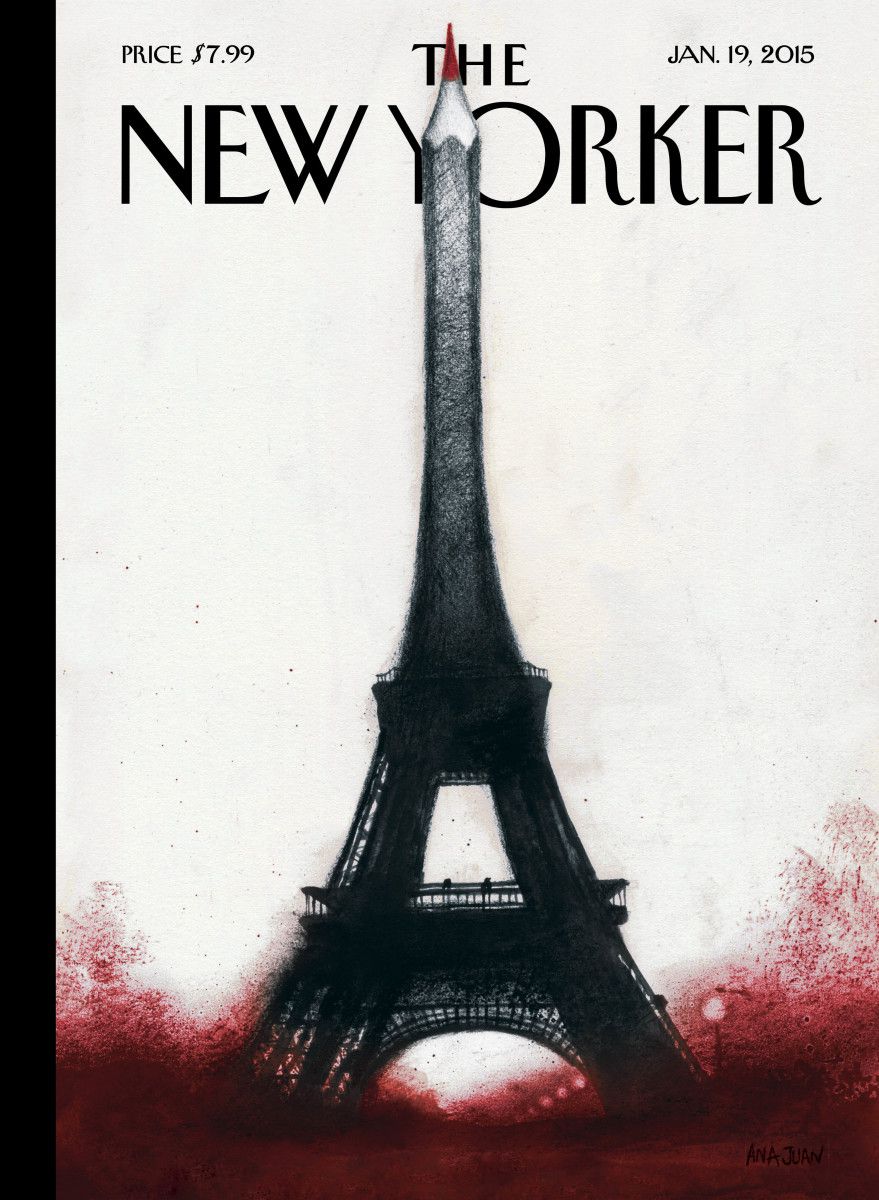
Sunday, 18 January 2015

ATTACK ON CHARLIE HEBDO


Click on the magazine cover to download the text and complete it.


This drawing was made by a Spanish woman cartonist and selected among many others by this prestigious USA magazine.

Wednesday, 14 January 2015

UNIT 6. CHALLENGE

UNIT 6. CHALLENGE.

Remember you have got many conditional exercises on the right of this blog.

Practice makes perfection!

CLICK HERE to download the writing file for this unit.


You can find information on Charlie Hebdo's attack on this clip.


USED TO - BE USED TO - GET USED TO
from speakspeak.com


USED TO
Used to + verb infinitive refers to a habit or state in the past. It is used only in thepast simple tense.
Past habits
If you used to do something, you did it for a period of time in the past, but you don't do it any more.
We used to live there when I was a child.
I used to walk to school every day when I was a child.
Past states
We also say used to to express a state that existed in the past but doesn't exist now. States are NOT actions. We express states with stative verbs such as have, believe, know and like.
I used to like The Beatles, but now I never listen to them.
He used to have long hair, but now it’s very short.
I used to believe in magic when I was a child.
Structure of questions:
did(n't) + subject + use to be
Did(n't) he use to work in your office?
Structure of negative:
subject + didn't + use to be.
I didn't use to like wine, but now I love it.

BE USED TO
If you are used to something, you have often done or experienced it; it is not strange, new or difficult for you.

Structure: Be used to + noun phrase orverb (-ing form)
I am used to getting up early in the morning. I don't mind it. 

He didn't complain about the neighbours’ loud party – he was used to the noise.
We can also say be used to someone.I don’t think Tom’s strange – I’m used to him.
Negative: be not used to.I don't understand him: I'm not used to his accent yet.


GET USED TO
Structure:
Get used to + something / someone
Get used to + verb (-ing form)
I got used to his Scottish accent after a while .
I got used to waking up early in the morning.
If you get used to something, you become accustomed to it; it is no longer unusual or strange.
Get used to is the process of becoming used to something.


1 When I started to work here I needed a lot of  help, but now I  all the work on my own. 
2 He  several books a month but he doesn't have time any more. 
3 We were surprised to see her driving - she  when we first met her. 
4 Don't worry, it's a simple program to use. You  it in no time, I'm sure.
5 When I had to commute to work every day I  very early. 
6 I'm afraid I'll never  in this place. I simply don't like it and never will. 
7 Whenever we came to Coventry we always  in the Central Hotel. We loved it. 
8 When Pete Smith was the head of our office everything  well organized. Now it's total chaos here. 
9 Mr Lazy was shocked when he joined our busy company because he doing much work everyday. 
10 At first the employees didn't like the new open-space office but in the end they it. 
After a while he didn't mind the noise in the office; he got used to it.

Monday, 3 November 2014

UNIT 4. THE FAME GAME

UNIT 4.  THE FAME GAME.


1. Download this file. You will need it along the unit.

2. Defining v. non Defining Relative Clauses.

3. Download this file about Defining  Relative Clauses.

Tuesday, 30 September 2014

UNIT 1: TEENS

TEEN TRIBES: TWEES, the gengle revolution.


                Click for a song by Belle and Sebastian,musical icons for twees.


 JUNO

COMPOSTION.


Download this document to write about a film or book you have read. Follow the instructions and use the assessment chart to revise your work.


SHOW AND TELL SPEAKING EXERCISE. 

Click on the logo to download the instructions for the Show and Tell of your choice.

Follow the draft given and include the given points on each paragraph.


SONG You're sixteen, you're beautiful and you're mine. 


This is Ringo Star's version, maybe easier to understand .


Monday, 26 May 2014

THE GREAT GASTBY.

THE GREAT GASTBY, by Scot Fitzgerald.


Follow these pieces of advice for a satisfactory reading. Click on the picture to download the photocopy about the characters and the setting of the story.


1. Begin to read the book as soon as possible.

2. Open a VOCABULARY sheet and keep it at hand while reading WITH A DICTIONARY!

3. After reading each chapter, make a short summary of the plot. Be careful 
    with the verbal tenses you use.


4. Complete the worksheets you find in this blog. They are made to help you through the book and  highlight the most important things.

THE ROARING TWENTIES: This is a short introduction to the time and setting of the book which will help you understand it better.


Friday, 7 March 2014

UNIT 8. HONESTY


WHAT DO THESE SYMBOLS REPRESENT?

0. Before we can start with the unit you have to download this file. 

1. This video is an introduction to Bitcoins.


2. Click on the symbol to listen and complete the text.